Florida's Water & Wastewater Specialists

SEPTIC
SYSTEMS.

One licensed contractor manages permits, excavation, installation, and county inspection. Work documented end to end.

General
Contractor
CGC1533029

Building
Contractor
CBC1264039

Plumbing
Contractor
CFC1430667

Underground
Utility
CUC1225972

WHAT WE DO

SIX TYPES OF SEPTIC WORK
ONE LICENSED OPERATION.

Whether you need an evaluation, a targeted repair, or a full replacement, all work is permitted, inspected, and documented under our Florida state licenses.

INSPECTION
& EVALUATION

For real estate transactions, additions, or systems showing symptoms. We document and report everything the county needs.

REPAIR
& SERVICE

Targeted repairs to tanks, pumps, distribution boxes, or damaged drain field zones.

FULL
REPLACEMENT

Complete system replacement from excavation to final inspection. Permitted and documented end to end.

DRAIN FIELD
WORK

Drain field failures are the most common cause of septic system problems. We assess, repair, or replace to code.

PUMP-OUT
& MAINTENANCE

Regular maintenance extends system life and prevents the more expensive failures. Licensed service on record.

MUNICIPAL
& COMMERCIAL

Larger systems for commercial properties and institutional clients. Same standards as our residential work.

Ready to talk about your system?

SERVICE AREAS

WHAT WE INSTALL

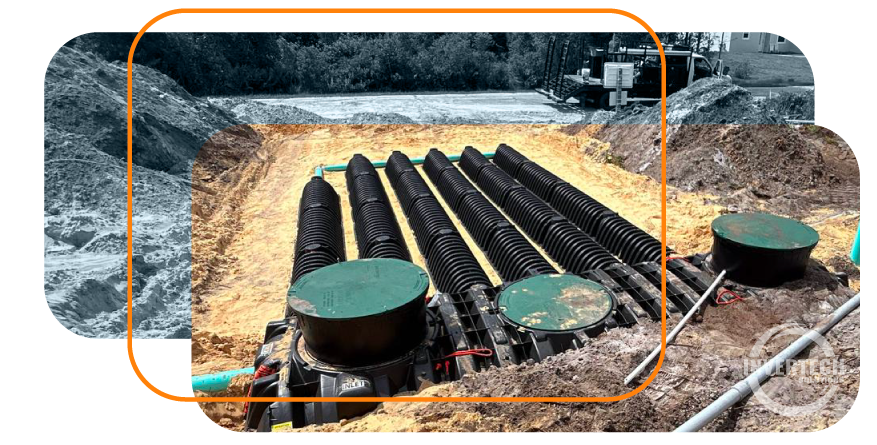
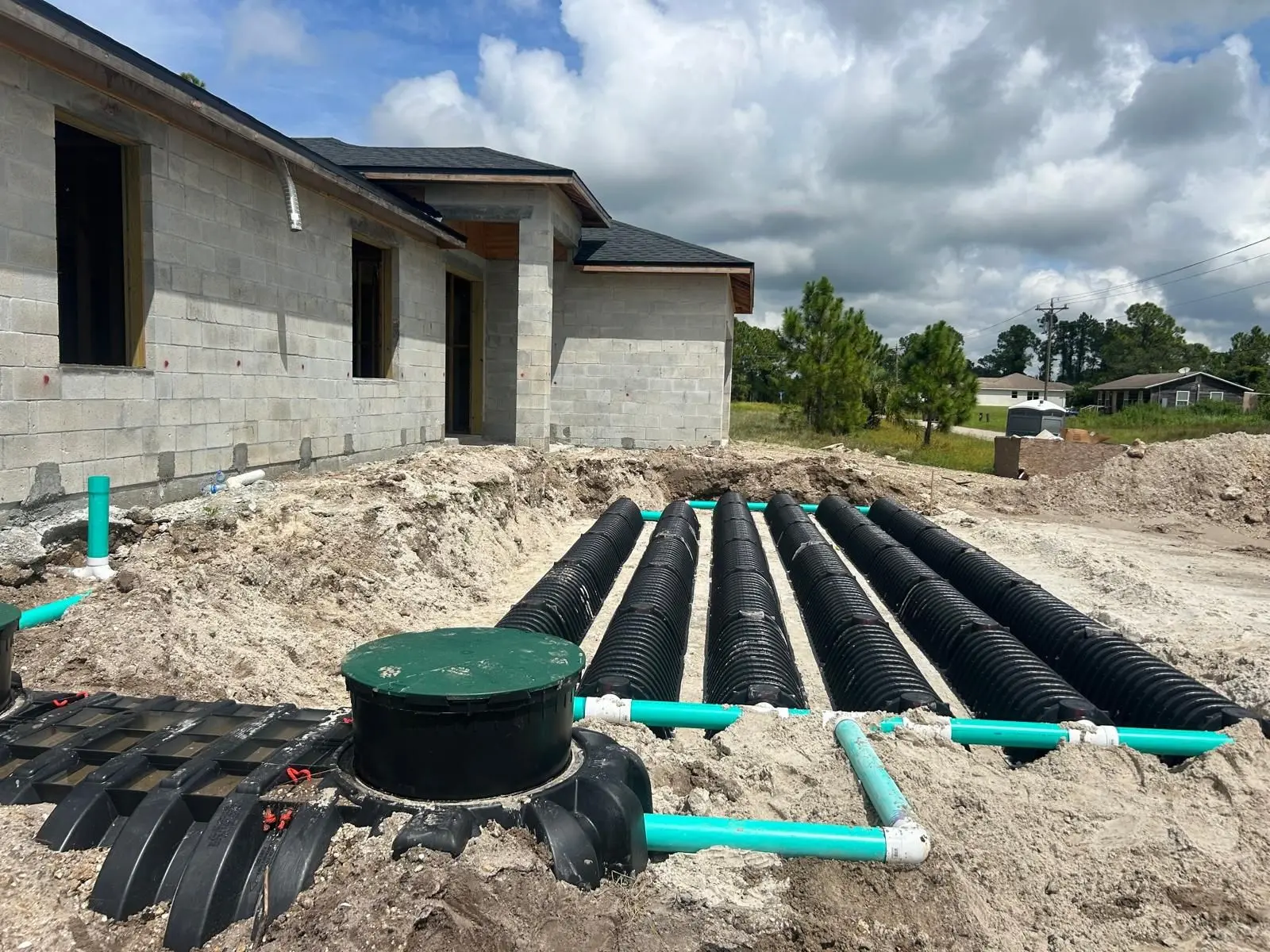
We work with conventional and alternative systems. The right system depends on your soil, lot size, and county requirements.

CONVENTIONAL GRAVITY SYSTEM

Standard tank and drain field. Most common in residential properties across South and Central Florida.

PUMP-TO-DRAIN-FIELD SYSTEM

Used where gravity alone cannot move effluent to the drain field. Adds a pump chamber before the field.

AEROBIC TREATMENT SYSTEM (ATU)

Required in some areas and setback-constrained lots. Treats effluent to a higher standard before discharge.

DRIP IRRIGATION SYSTEM

Used when soil conditions require slow, controlled distribution of effluent at shallow depth.

LOW-PRESSURE DISTRIBUTION

Uniform effluent distribution for challenging lots and seasonal high water table conditions.

WHAT THE PERMIT COVERS

Every septic installation and replacement in Florida requires a permit from the Department of Health or county authority. We manage the entire process.

Septic evaluation

WHAT DETERMINES.
REPAIR OR REPLACEMENT.

Most homeowners assume a problem means full replacement. In many cases it does not. What drives the decision is which component is failing and how far the failure has progressed.
Condition found Typical outcome Notes
Clogged outlet baffle Repair Mechanical issue. Replace the baffle. Tank and drain field unaffected in most cases.
Damaged distribution box Repair D-box replacement restores equal effluent distribution across drain field lines.
Localized drain field saturation Repair If one zone is failing, targeted repair or resting that zone can restore function.
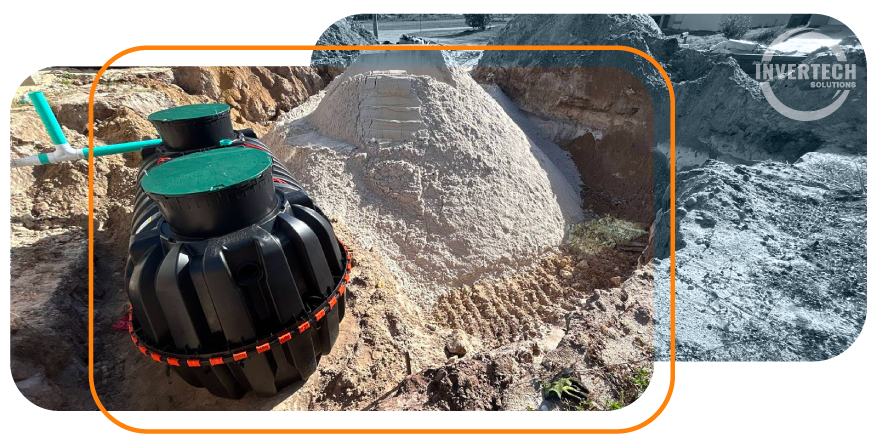
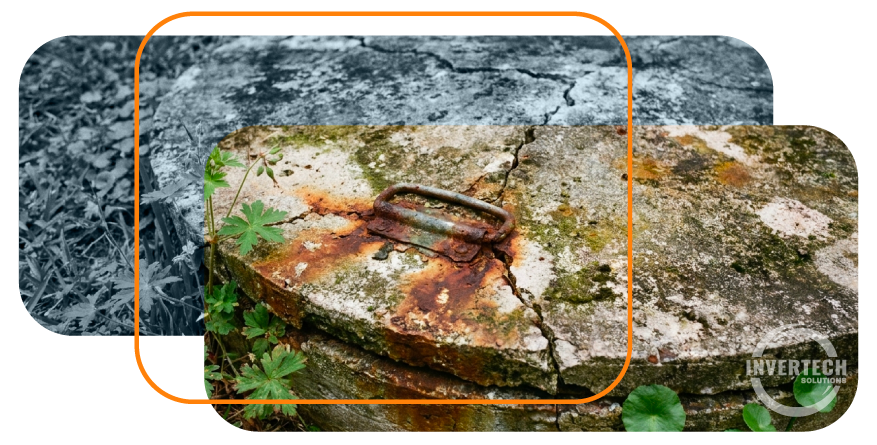
Tank structural failure Replace A collapsed or cracked tank cannot be repaired reliably. Full tank replacement required.
Drain field past absorption capacity Replace Biomat buildup or saturated soil that no longer percolates requires a new drain field.
System age 25+ years, multiple failures Replace Repair cost on aging components often exceeds the value of preserving the existing system.
Clogged outlet baffle
Repair
Mechanical issue. Replace the baffle. Tank and drain field unaffected in most cases.
Damaged distribution box
Repair
D-box replacement restores equal effluent distribution across drain field lines.
Localized drain field saturation
Repair
If one zone is failing, targeted repair or resting that zone can restore function.
Tank structural failure
Replace
A collapsed or cracked tank cannot be repaired reliably. Full tank replacement required.
Drain field past absorption capacity
Replace
Biomat buildup or saturated soil that no longer percolates requires a new drain field.
System age 25+ years, multiple failures
Replace
Repair cost on aging components often exceeds the value of preserving the existing system.

Not sure where your system falls?

HOW THE PERMIT PROCESS
WORKS IN FLORIDA.

Septic permits are issued by the County Health Department, not the building department. Most project delays happen here. We manage the process from first submission to final closeout.

Site Evaluation
Step 01
Site Evaluation

Soil perc test and site survey to determine system type and placement. Conducted before permit application. Day 1 to 3.

DOH Application
Step 02
DOH Application

We submit system design, site plan, and soils report to the County Health Department under our contractor license. Day 3 to 7.

Review Period
Step 03
Review Period

County reviews the application. Typical review is 7 to 14 business days. We respond to any comments or corrections. 1 to 3 weeks.

Permit Issued
Step 04
Permit Issued

Permit in hand. Installation scheduled. Physical work on site typically takes 2 to 5 working days. Week 2 to 4.

Final Inspection
Step 05
Final Inspection

County inspector approves before backfill. We coordinate the inspection and close out the permit on your behalf. Final day.

QUESTIONS SPECIFIC
TO SEPTIC SYSTEMS.

Excavation for a drain field or tank requires removing grass and topsoil in the work area. We grade and restore the surface after installation. Full landscaping restoration is not included in the standard scope but can be coordinated on request.

Yes. If public sewer service is extended to your street, most counties require or allow abandonment of the septic system and connection to the municipal line. We handle the disconnection, tank abandonment per DOH requirements, and the new lateral connection.

Slow drains alone are not diagnostic. Surfacing effluent, odor near the drain field, or wet ground above the trenches after dry weather are more reliable indicators. A site evaluation and percolation test give a definitive answer. We do not recommend work based on symptoms alone.

System sizing in Florida is based on the number of bedrooms in the home, not the number of occupants. DOH uses bedroom count as a proxy for daily flow. Adding a bedroom or ADU to your property may require a system upgrade or permit review.

A properly installed concrete tank can last 30 to 40 years. A conventional drain field typically performs for 20 to 30 years with normal use. ATU and LPD systems have mechanical components that require annual maintenance contracts per Florida statute.

Florida does not require a septic inspection at closing by statute, but lenders, buyers, and attorneys often request one. We issue a written condition report documenting tank integrity, baffle condition, drain field function, and permit status. This is separate from a pumping service.

READY TO SCHEDULE AN EVALUATION?

Site evaluations are scheduled Monday through Friday. After the visit, you receive a written scope and estimate before any work is authorized.

(954) 543-4177